
The Rise of UP Token and the 50,000 USDT Airdrop Incentive on WEEX


The decentralized finance sector continues to witness rapid innovation, particularly through cross-chain yield protocols that streamline capital efficiency. Superform has emerged as a significant player in this space, offering a unified interface for users to access diverse vaults across multiple blockchains. Data from DefiLlama indicates that yield aggregators providing cross-chain utility are attracting substantial liquidity as the market matures. To celebrate the integration and growth of this ecosystem, WEEX Exchange has launched a massive incentive program featuring a 50,000 USDT prize pool. This initiative focuses on the UP Token airdrop, providing both new and existing users with multiple pathways to earn rewards while exploring high-utility assets.
Understanding the Superform Ecosystem and UP Token Utility
Superform operates as a permissionless marketplace that solves the problem of liquidity fragmentation. In the current Web3 landscape, moving assets between chains to find the best yield is often a cumbersome and expensive process. Superform eliminates this friction by allowing users to deposit any token into any vault on any chain. The UP Token serves as a core asset within this infrastructure, facilitating value movement and governance. Industry reports from platforms like CoinGecko suggest that as cross-chain interoperability becomes a standard requirement for DeFi users, tokens associated with these "universal" yield layers are seeing increased trading volume and community engagement.
Strategic Participation in the 50,000 USDT Event
The ongoing event on WEEX is structured to benefit those who actively engage with the platform's features. Running from February 11 to February 18, 2026, the program offers tiered rewards based on specific milestones. For new users, the primary strategy involves completing a sequence of tasks: an initial deposit, a first spot trade, and a futures trading volume target. The exchange has allocated a specific portion of the pool to the first 1,000 new users who meet these criteria, making early participation a decisive factor. Real-world data from similar exchange launches shows that early-mover advantage often results in the highest return on participation time.
Task Requirements and Reward Distribution Tiers
To maintain transparency and fairness, WEEX has established clear benchmarks for each reward level. The following table outlines the specific requirements for new users to claim their share of the bonus pool.
| Participant Type | Required Task | Specific Condition | Reward Amount |
|---|---|---|---|
| New User | First Deposit | Net Deposit ≥ 100 USDT | 5 USDT |
| New User | First Spot Trade | Trade {tokensymbol}/USDT | 5 USDT |
| New User | Futures Volume | 1,000 USDT Volume | 5 USDT |
| New User | Futures Volume | 5,000 USDT Volume | 10 USDT |
| New User | Futures Volume | 10,000 USDT Volume | 20 USDT |
| All Users | Spot Volume Share | Every 200 USDT Volume | 2 - 5 USDT |
Optimizing Trading Fees and Spot Market Engagement
A standout feature of this campaign is the emphasis on zero-fee trading. High trading fees often act as a barrier for retail investors looking to build a position in new assets like the UP Token. By offering a 0-fee trading environment for specific pairs, WEEX allows users to execute strategies without the drag of transaction costs. This is particularly beneficial for those participating in the volume-sharing pool, where users can earn a 2 to 5 USDT futures bonus for every 200 USDT in cumulative spot volume. Professional traders often utilize these fee-free windows to rebalance portfolios or test new automated trading scripts with minimal overhead.
Advanced Insights into Futures Trading Milestones
For participants aiming for the higher reward tiers, the futures trading task provides a significant opportunity. The rewards for this segment are non-stackable, meaning the exchange will distribute the highest tier achieved. Reaching a 10,000 USDT volume on USDT-M pairs secures a 20 USDT bonus. In the context of the current market volatility, achieving this volume is manageable through disciplined position sizing and frequent market engagement. Analysts from CoinMarketCap often note that increased futures activity on specific tokens leads to better price discovery and deeper liquidity in the underlying spot markets, creating a healthier environment for the Superform ecosystem.
Strict Eligibility and Calculation Standards
Integrity remains a core pillar of the WEEX rewards system. To ensure that genuine traders benefit from the airdrop, the exchange uses a "Net Deposit" formula (Deposits minus Withdrawals). Only on-chain and P2P deposits are considered valid; internal transfers do not qualify. Furthermore, trading volumes from zero-fee trades or stablecoin pairs like USDC/USDT are excluded from the futures volume calculations to prevent artificial inflation of activity. These rules ensure that the incentives reach users who are truly contributing to the market's liquidity. The rewards are scheduled for distribution within seven working days after the event concludes on February 18, 2026.
Risk Management and Execution Strategy
Participating in a high-reward airdrop requires more than just capital; it requires a plan. Successful participants typically start by securing their "New User" status through a verified signup and a 100 USDT deposit. Once the first spot trade is completed, focus shifts to the futures market to hit volume milestones. It is advisable to monitor the cumulative volume in the WEEX user dashboard to ensure targets are met before the deadline. Using active voice in your trading—setting clear entries and exits—helps in managing the inherent risks associated with cryptocurrency price swings.
The combination of a 50,000 USDT pool and the technological promise of the Superform protocol makes this event a primary target for crypto enthusiasts. By leveraging the low-cost trading environment and structured reward tiers, users can gain significant exposure to the UP Token while boosting their overall portfolio value. As the cross-chain landscape continues to expand, being an early participant in these ecosystem-building events is a proven strategy for long-term success in the Web3 industry.
DISCLAIMER: WEEX and affiliates provide digital asset exchange services, including derivatives and margin trading, onlywhere legal and for eligible users. All content is general information, not financial advice-seek independentadvice before trading. Cryptocurrency trading is high risk and may result in total loss. By using WEEX services you accept all related risks and terms. Never invest more than you can afford to lose. See our Terms of Use and Risk Disclosure for details.
You may also like

What is World Cup Doge (WCDOGE) Coin? Is WCDOGE a Good Investment?
What is WCDOGE crypto? Meme token or football fan play? Real data, honest risks, and how to buy World Cup Doge.

SIM Owner Details: Legal PTA Check and Safety Guide
Learn what SIM owner details means, how to check SIMs on your CNIC through official PTA channels, and how to avoid lookup scams.
NBIS Stock: What Nebius’ AI Cloud Surge Means Now
NBIS stock jumped as Nebius reported rapid AI cloud growth. See the key Q1 2026 numbers, catalysts, valuation risks, and what to watch next.

WXT Bounty Hunter Program Explained: Earn Crypto Rewards While Learning to Trade on WEEX
The WXT Bounty Hunter Program is a WEEX campaign running from May 8 to May 18, 2026, designed to help beginners learn crypto trading while earning rewards.
Users complete simple tasks like depositing USDT, trading WXT, and holding tokens to receive WXT rewards. New users can earn bonuses such as 200 WXT, while advanced users can compete for larger rewards based on trading activity, including a 100,000 WXT prize pool.
The program uses net metrics (deposits and buys minus withdrawals) to ensure fairness and excludes institutional trading. Holding 300 WXT also unlocks extra benefits like enhanced airdrops.
Overall, it combines learning and earning, making it an entry point into crypto trading on WEEX.

Grass Token Price: GRASS Live Data, Drivers, and Risks
Track Grass token price, market cap, supply, unlocks, and key GRASS price drivers before trading the Solana AI and DePIN token.
WCOR Coin Explained: World Collective Oil Reserve on Solana
WCOR coin is a Solana token tied to an oil-reserve registry narrative. Here’s what it claims, current data, and the risks traders should watch.

What Is SAOS Crypto? Can SAOS Hit $0.1?
Is SAOS crypto a hidden gem? Strategic American Oil Supply on Solana explained. No hype, just data: $75K cap, locked LP, RWA narrative.
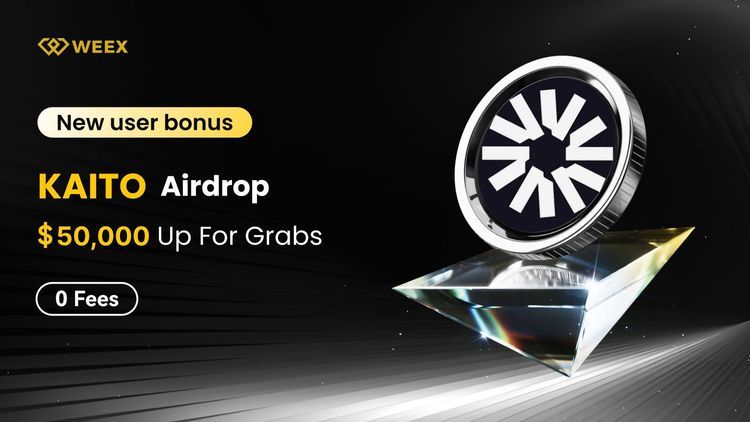
KAIO Airdrop: Share 50,000 USDT on WEEX with 0-Fee Trading
Trade KAIO/USDT with 0 fees on WEEX from May 7–14, 2026. New users can complete deposit and spot trading tasks to share 50,000 USDT in rewards.

What Is SAOS? Strategic American Oil Supply Token Explained
SAOS is a meme token on Solana with a 75,000 USD market cap and 22,000 USD locked liquidity, positioned around oil supply themes but lacking real asset backing
It thrives on pure narrative speculation, with no utility, website, or doxxed team, making it highly volatile and attention-dependent
Traders should distinguish SAOS from legitimate real-world asset projects, as its branding is speculative rather than substantive
Positive aspects include locked liquidity reducing rug pull risks, but low trading activity signals high uncertainty
How to Buy Public Asset Control (PAC) Token in 2026: Latest Solana Buying Guide
How to buy Public Asset Control (PAC) token in 2026, PAC contract address, Solana wallet setup, Jupiter swap guide, latest price, liquidity, and risks.
What Is Public Asset Control (PAC) Token and How Does It Work? Latest Solana PAC Token Guide
Public Asset Control (PAC) token explained. Learn what PAC is, how it works on Solana, current price snapshot, risks, and buying basics.

Can PAC Coin Reach $1 Soon? Analyzing Public Asset Control
PAC is a Solana-based meme token with a government-themed narrative, but it is highly speculative.
At its current price (~$0.0009) and 1B supply, reaching $1 would require a $1B market cap, which is very unlikely.
Short-term moves to $0.001 or $0.01 are more realistic, but the token is highly volatile due to low liquidity and hype-driven trading.
Overall, $1 is not a realistic target, and PAC is better suited for short-term speculation than long-term investment.
United Nations Oil Reserve (UNOS) Crypto: Solana Token, UN Links, and Risks
United Nations Oil Reserve (UNOS) Crypto explained: Solana token basics, UN links, oil-backing claims, market risks, contract checks, and buying cautions.

What Is Public Asset Control (PAC) Coin? Explained for Beginners
Public Asset Control (PAC) is a Solana-based token that uses a “government asset control” narrative involving oil and gold themes, but it has no verified ties to any real institutions or governments. It is mainly an entertainment-focused, speculative meme coin.
The project’s claims about links to entities like BlackRock or Palantir are unverified, and its own disclaimer states it is not a real financial or institutional asset. Like many new Solana tokens, PAC is highly volatile, with low liquidity and limited transparency, including no fully verified audit.
Overall, PAC is a high-risk speculative token driven by hype and storytelling rather than real utility. Beginners are advised to be cautious, verify contract details, and prioritize risk control before considering any trading.
What Is Official Saudi Oil Reserve (OSOR) Coin?
Learn what OSOR coin is, why its Saudi oil narrative matters, how to verify the contract, and what risks to check before trading.
Global Digital Oil Reserve (GDOR): What It Is, Risks, and How to Check It
Global Digital Oil Reserve (GDOR) is an oil-themed Solana token with unclear backing. Learn its risks, market data, and verification checklist.

Is OBC Crypto a Good Investment?
Is OBC crypto a good investment? We analyze the latest market data, holder concentration, liquidity risks, and short-term momentum. Read this before you invest in OBC token.

Can OSOR Reach $1? Full Price Analysis 2026
OSOR crypto price prediction 2026: Can Saudi Oil Reserve token reach 1? Read before buying.
What is World Cup Doge (WCDOGE) Coin? Is WCDOGE a Good Investment?
What is WCDOGE crypto? Meme token or football fan play? Real data, honest risks, and how to buy World Cup Doge.
SIM Owner Details: Legal PTA Check and Safety Guide
Learn what SIM owner details means, how to check SIMs on your CNIC through official PTA channels, and how to avoid lookup scams.
NBIS Stock: What Nebius’ AI Cloud Surge Means Now
NBIS stock jumped as Nebius reported rapid AI cloud growth. See the key Q1 2026 numbers, catalysts, valuation risks, and what to watch next.
WXT Bounty Hunter Program Explained: Earn Crypto Rewards While Learning to Trade on WEEX
The WXT Bounty Hunter Program is a WEEX campaign running from May 8 to May 18, 2026, designed to help beginners learn crypto trading while earning rewards.
Users complete simple tasks like depositing USDT, trading WXT, and holding tokens to receive WXT rewards. New users can earn bonuses such as 200 WXT, while advanced users can compete for larger rewards based on trading activity, including a 100,000 WXT prize pool.
The program uses net metrics (deposits and buys minus withdrawals) to ensure fairness and excludes institutional trading. Holding 300 WXT also unlocks extra benefits like enhanced airdrops.
Overall, it combines learning and earning, making it an entry point into crypto trading on WEEX.
Grass Token Price: GRASS Live Data, Drivers, and Risks
Track Grass token price, market cap, supply, unlocks, and key GRASS price drivers before trading the Solana AI and DePIN token.
WCOR Coin Explained: World Collective Oil Reserve on Solana
WCOR coin is a Solana token tied to an oil-reserve registry narrative. Here’s what it claims, current data, and the risks traders should watch.


