
Aave rsETH Losses vs Spark Safety: A Risk Management Study

On April 18, 2026, a critical exploit in the Kelp DAO cross-chain bridge led to the malicious minting of 116,500 rsETH without collateral backing. These fraudulent assets were promptly deposited into Aave V3 and V4, allowing the attacker to drain real WETH. According to on-chain estimates from Lookonchain, Aave faces potential bad debt of approximately $195 million. Conversely, SparkLend, the lending arm of the MakerDAO (Sky) ecosystem, suffered zero losses because it had strategically exited the rsETH market exactly three months prior. This contrast provides a masterclass in DeFi risk management philosophy, highlighting the trade-off between growth and systemic security.
Key Takeaways
- Aave’s $195M Exposure: Aave faced massive bad debt due to aggressive LTV settings (93%) and an expansion-focused strategy for rsETH.
- Spark’s Proactive Safety: SparkLend avoided all losses by executing a strategic exit from the rsETH market three months before the exploit, citing low efficiency.
- Structural Defenses: Spark’s use of rate-limited supply caps and triple-median oracles provided a safety buffer that prevented catastrophic contamination.
- LRT Vulnerabilities: The incident underscores that Liquid Restaking Tokens (LRTs) carry multi-layered risks, primarily stemming from cross-chain bridge security.
Aave and Spark: The Divergent Path of January 29, 2026
The core of this case study lies in a single date: January 29, 2026. On this day, two of the largest DeFi protocols took diametrically opposite actions regarding rsETH. Aave officially launched its rsETH E-Mode, allowing users to leverage their positions with a staggering 93% Loan-to-Value (LTV) ratio. The goal was clear: drive growth and restore WETH utilization rates, which were lagging at the time. Aave’s governance bodies, including ACI and Chaos Labs, aimed to capture the massive liquidity flowing into the Liquid Restaking Token (LRT) sector.
On that very same day, SparkLend executed a governance "Spell" to stop all new rsETH supply. This decision was triggered by a governance post from PhoenixLabs on January 16, which noted that rsETH usage was low and heavily concentrated in a single wallet (0xb99a). Spark’s logic was grounded in marginal efficiency; if an asset’s benefit doesn't outweigh its maintenance and risk costs, it is removed regardless of its perceived market popularity. This proactive "asset cleaning" saved Spark from the $195 million catastrophe that hit Aave three months later.
Aave rsETH Governance and the Expansion Strategy
Aave’s expansion was driven by a multi-party consensus involving the Aave Chan Initiative (ACI), Chaos Labs, and LlamaRisk. Their analysis focused on market opportunity. By 2025, rsETH had become a significant player in the LRT space, and Aave wanted to capture that liquidity to boost its WETH markets. The introduction of E-Mode was the primary vehicle for this expansion, offering high capital efficiency for traders.
The high LTV of 93% in E-Mode was designed to attract whales and sophisticated traders seeking maximum leverage on their staked assets. While this successfully increased the Total Value Locked (TVL), it also narrowed the safety margin significantly. When the Kelp DAO bridge was exploited, the "worthless" rsETH used as collateral was valued at nearly parity with ETH by the protocol’s price feeds. Because the LTV was so high, the attacker could borrow almost the full value of the fake collateral in real WETH before the Aave Guardian could pause the markets.
Spark Tactical Exit: Prioritizing Safety Over rsETH Growth
Spark’s risk management philosophy differs from Aave’s by prioritizing defensive constraints over aggressive growth. Sam MacPherson, co-founder of Spark, highlighted that Spark doesn't just rely on identifying specific vulnerabilities like bridge hacks. Instead, the protocol employs systemic safeguards that limit exposure regardless of the risk source. When the decision was made to exit rsETH, it wasn't because Spark anticipated a bridge hack; it was because the "risk-adjusted return" of keeping the asset listed was no longer justifiable.
Spark utilizes "Rate-Limited Supply Caps" and "Borrow Caps" as a primary line of defense. These physical constraints ensure that even if a malicious asset is introduced or a collateral type fails, the total amount that can be borrowed is strictly capped and cannot be bypassed in a single transaction. Furthermore, Spark utilizes a three-party median oracle (Chronicle, Chainlink, and RedStone) with a Uniswap TWAP fallback. This multi-layered price feed prevents single-point failures at the data level, a vulnerability that Aave faced during the early hours of the rsETH de-pegging event when price lags were reported.
Analyzing rsETH Vulnerabilities: Why Liquid Restaking Tokens Carry Layered Risks
To understand this risk management failure, beginners must realize that rsETH is not "pure ETH." It is a Liquid Restaking Token (LRT) that carries multiple layers of risk that traditional assets do not. Each layer represents a potential point of failure that can impact the solvency of a lending market.
- Bridge Risk: Assets moving across chains, like rsETH, are only as safe as the bridge facilitating the transfer. The April 18 exploit proved that a single flaw in bridge logic can lead to "infinite mint" scenarios.
- Issuer and Redemption Risk: The protocol issuing the LRT, in this case, Kelp DAO, must maintain 1:1 backing with real ETH. If the minting process is compromised, the backing becomes irrelevant.
- Smart Contract Risk: The underlying restaking layers like EigenLayer add further complexity. Each additional protocol layer increases the surface area for potential exploits.
In the Aave incident, the failure happened at the bridge level, allowing an attacker to "print" rsETH out of thin air. In the eyes of Aave’s lending pools, these tokens appeared as legitimate collateral. Because Aave treated rsETH as a "safe asset" with high supply caps and high LTV, it effectively allowed the entire WETH pool to be contaminated by bad debt once the bridge failed.
Aave vs Spark: A Technical Risk Framework Comparison
The following table summarizes the key differences in how both protocols managed the rsETH asset leading up to the April 2026 crisis. This comparison highlights why Spark remained safe while Aave incurred substantial debt.
| Risk Parameter | Aave V3/V4 Strategy | SparkLend Strategy |
| Primary Driver | Market growth & WETH utilization | Marginal cost vs. benefit & efficiency |
| rsETH LTV Setting | High (Up to 93% in E-Mode) | Highly restrictive, then set to 0% |
| Supply Cap Logic | Flexible and frequently raised | Strictly rate-limited and capped |
| Oracle Security | Standard Chainlink/Aave feeds | 3-party median with TWAP fallback |
| Liquidity Monitoring | Focused on overall TVL growth | Flagged single-user concentration as risk |
Market Fallout: Aave’s $195 Million rsETH Bad Debt Crisis
The immediate aftermath of the exploit saw Aave's TVL drop from $26.4 billion to $19.8 billion as users rushed to withdraw liquidity, fearing further contagion. Aave’s "Umbrella" insurance mechanism currently holds about $50 million, covering only about 25% of the $195 million potential bad debt. The loss absorption hierarchy is now a major point of discussion in the Aave community. According to current protocols, aWETH stakers bear the brunt first, followed by WETH depositors who may see their balances haircutted if the DAO treasury cannot cover the gap.
For the broader DeFi ecosystem, this serves as a reminder that "yield" always comes with a price. High-efficiency modes like Aave’s E-Mode are powerful tools for traders but require absolute certainty in the underlying collateral's integrity. When that integrity is tied to a third-party bridge, the risk is no longer just financial—it becomes structural. Spark’s ability to avoid this mess by focusing on user concentration and asset efficiency provides a compelling alternative to the growth-at-all-costs model.
Strategic Lessons for Investors: Aave and Spark Risk Models
Based on this risk management study, investors and traders should consider the following advice when interacting with lending protocols like Aave or Spark:
- Scrutinize Collateral Quality: Don't assume all "ETH-like" assets are equal. Check the underlying dependencies, specifically bridges and restaking layers. If an asset has multiple "layers" of protocol risk, its LTV should ideally be lower.
- Monitor Supply Caps and Rates: If a protocol has no or very loose supply caps on new assets like rsETH, it is more vulnerable to "infinite mint" exploits. Protocols with rate-limited caps, like Spark, offer a higher safety margin during black swan events.
- Diversify Across Protocols: As shown by Spark’s safety, different protocols have different risk appetites. Spreading liquidity across Aave and Spark reduces the impact of a single protocol's bad debt on your total portfolio.
- Active Governance Monitoring: The decision for Spark to exit was public in their forums three months in advance. Investors who followed Spark’s governance could have moved their rsETH positions to safer alternatives like wstETH before the liquidity window narrowed.
Conclusion: The Future of Risk Management for Aave, Spark, and rsETH
The Aave rsETH crisis of 2026 highlights a fundamental tension in DeFi: the trade-off between capital efficiency and systemic safety. Aave chose expansion and utilization, which provided high returns for months but ultimately led to a $195 million shortfall. Spark chose efficiency and containment, sacrificing potential fees for a robust safety profile.
While Aave remains a dominant force in the space, this lesson underscores the critical importance of defensive parameters like rate-limited caps and multi-source oracles. As the LRT market continues to evolve, the protocols that thrive will be those that can balance the allure of rsETH growth with the disciplined risk management strategies demonstrated by Spark.
DISCLAIMER: WEEX and affiliates provide digital asset exchange services, including derivatives and margin trading, only where legal and for eligible users. All content is general information, not financial advice-seek independent advice before trading. Cryptocurrency trading is high risk and may result in total loss. By using WEEX services you accept all related risks and terms. Never invest more than you can afford to lose. See our Terms of Use and Risk Disclosure for details.
You may also like

What is World Cup Doge (WCDOGE) Coin? Is WCDOGE a Good Investment?
What is WCDOGE crypto? Meme token or football fan play? Real data, honest risks, and how to buy World Cup Doge.

SIM Owner Details: Legal PTA Check and Safety Guide
Learn what SIM owner details means, how to check SIMs on your CNIC through official PTA channels, and how to avoid lookup scams.
NBIS Stock: What Nebius’ AI Cloud Surge Means Now
NBIS stock jumped as Nebius reported rapid AI cloud growth. See the key Q1 2026 numbers, catalysts, valuation risks, and what to watch next.

WXT Bounty Hunter Program Explained: Earn Crypto Rewards While Learning to Trade on WEEX
The WXT Bounty Hunter Program is a WEEX campaign running from May 8 to May 18, 2026, designed to help beginners learn crypto trading while earning rewards.
Users complete simple tasks like depositing USDT, trading WXT, and holding tokens to receive WXT rewards. New users can earn bonuses such as 200 WXT, while advanced users can compete for larger rewards based on trading activity, including a 100,000 WXT prize pool.
The program uses net metrics (deposits and buys minus withdrawals) to ensure fairness and excludes institutional trading. Holding 300 WXT also unlocks extra benefits like enhanced airdrops.
Overall, it combines learning and earning, making it an entry point into crypto trading on WEEX.

Grass Token Price: GRASS Live Data, Drivers, and Risks
Track Grass token price, market cap, supply, unlocks, and key GRASS price drivers before trading the Solana AI and DePIN token.
WCOR Coin Explained: World Collective Oil Reserve on Solana
WCOR coin is a Solana token tied to an oil-reserve registry narrative. Here’s what it claims, current data, and the risks traders should watch.
What Is SAOS Crypto? Can SAOS Hit $0.1?
Is SAOS crypto a hidden gem? Strategic American Oil Supply on Solana explained. No hype, just data: $75K cap, locked LP, RWA narrative.
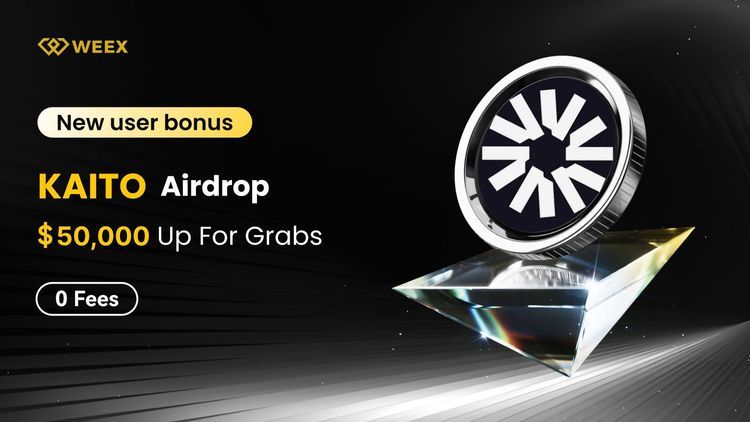
KAIO Airdrop: Share 50,000 USDT on WEEX with 0-Fee Trading
Trade KAIO/USDT with 0 fees on WEEX from May 7–14, 2026. New users can complete deposit and spot trading tasks to share 50,000 USDT in rewards.

What Is SAOS? Strategic American Oil Supply Token Explained
SAOS is a meme token on Solana with a 75,000 USD market cap and 22,000 USD locked liquidity, positioned around oil supply themes but lacking real asset backing
It thrives on pure narrative speculation, with no utility, website, or doxxed team, making it highly volatile and attention-dependent
Traders should distinguish SAOS from legitimate real-world asset projects, as its branding is speculative rather than substantive
Positive aspects include locked liquidity reducing rug pull risks, but low trading activity signals high uncertainty
How to Buy Public Asset Control (PAC) Token in 2026: Latest Solana Buying Guide
How to buy Public Asset Control (PAC) token in 2026, PAC contract address, Solana wallet setup, Jupiter swap guide, latest price, liquidity, and risks.

What Is Public Asset Control (PAC) Token and How Does It Work? Latest Solana PAC Token Guide
Public Asset Control (PAC) token explained. Learn what PAC is, how it works on Solana, current price snapshot, risks, and buying basics.

Can PAC Coin Reach $1 Soon? Analyzing Public Asset Control
PAC is a Solana-based meme token with a government-themed narrative, but it is highly speculative.
At its current price (~$0.0009) and 1B supply, reaching $1 would require a $1B market cap, which is very unlikely.
Short-term moves to $0.001 or $0.01 are more realistic, but the token is highly volatile due to low liquidity and hype-driven trading.
Overall, $1 is not a realistic target, and PAC is better suited for short-term speculation than long-term investment.

United Nations Oil Reserve (UNOS) Crypto: Solana Token, UN Links, and Risks
United Nations Oil Reserve (UNOS) Crypto explained: Solana token basics, UN links, oil-backing claims, market risks, contract checks, and buying cautions.

What Is Public Asset Control (PAC) Coin? Explained for Beginners
Public Asset Control (PAC) is a Solana-based token that uses a “government asset control” narrative involving oil and gold themes, but it has no verified ties to any real institutions or governments. It is mainly an entertainment-focused, speculative meme coin.
The project’s claims about links to entities like BlackRock or Palantir are unverified, and its own disclaimer states it is not a real financial or institutional asset. Like many new Solana tokens, PAC is highly volatile, with low liquidity and limited transparency, including no fully verified audit.
Overall, PAC is a high-risk speculative token driven by hype and storytelling rather than real utility. Beginners are advised to be cautious, verify contract details, and prioritize risk control before considering any trading.
What Is Official Saudi Oil Reserve (OSOR) Coin?
Learn what OSOR coin is, why its Saudi oil narrative matters, how to verify the contract, and what risks to check before trading.
Global Digital Oil Reserve (GDOR): What It Is, Risks, and How to Check It
Global Digital Oil Reserve (GDOR) is an oil-themed Solana token with unclear backing. Learn its risks, market data, and verification checklist.

Is OBC Crypto a Good Investment?
Is OBC crypto a good investment? We analyze the latest market data, holder concentration, liquidity risks, and short-term momentum. Read this before you invest in OBC token.

Can OSOR Reach $1? Full Price Analysis 2026
OSOR crypto price prediction 2026: Can Saudi Oil Reserve token reach 1? Read before buying.
What is World Cup Doge (WCDOGE) Coin? Is WCDOGE a Good Investment?
What is WCDOGE crypto? Meme token or football fan play? Real data, honest risks, and how to buy World Cup Doge.
SIM Owner Details: Legal PTA Check and Safety Guide
Learn what SIM owner details means, how to check SIMs on your CNIC through official PTA channels, and how to avoid lookup scams.
NBIS Stock: What Nebius’ AI Cloud Surge Means Now
NBIS stock jumped as Nebius reported rapid AI cloud growth. See the key Q1 2026 numbers, catalysts, valuation risks, and what to watch next.
WXT Bounty Hunter Program Explained: Earn Crypto Rewards While Learning to Trade on WEEX
The WXT Bounty Hunter Program is a WEEX campaign running from May 8 to May 18, 2026, designed to help beginners learn crypto trading while earning rewards.
Users complete simple tasks like depositing USDT, trading WXT, and holding tokens to receive WXT rewards. New users can earn bonuses such as 200 WXT, while advanced users can compete for larger rewards based on trading activity, including a 100,000 WXT prize pool.
The program uses net metrics (deposits and buys minus withdrawals) to ensure fairness and excludes institutional trading. Holding 300 WXT also unlocks extra benefits like enhanced airdrops.
Overall, it combines learning and earning, making it an entry point into crypto trading on WEEX.
Grass Token Price: GRASS Live Data, Drivers, and Risks
Track Grass token price, market cap, supply, unlocks, and key GRASS price drivers before trading the Solana AI and DePIN token.
WCOR Coin Explained: World Collective Oil Reserve on Solana
WCOR coin is a Solana token tied to an oil-reserve registry narrative. Here’s what it claims, current data, and the risks traders should watch.


