
 Buy Crypto
- Markets
 Futures
- Spot
- Copy Trade
- Earn
- More
Over 50% growth for 3 consecutive days, where does the growth potential of $ALCH come from?

Original Authors: crypto_ace3, jungAIalch, Crypto Kol
Original Translators: zhouzhou, BlockBeats
Editor's Note: This article introduces some features and uses of the Alchemist AI platform, discusses the key role of network effects in the success of the digital marketplace, especially in the development process of alchemistAIapp (ALCH), where the platform can form a self-enhancing growth flywheel by attracting developers and users, while ALCH possesses characteristics of a two-sided market and a social network.
Below is the original content (reorganized for better readability):
Alchemist AI is a no-code platform that allows users to build software applications by simply providing descriptions. Without the need for coding skills, anyone (from beginners to experts) can quickly create custom applications, utilities, and games.
The key technical components of Alchemist AI include User Input Processing, which is responsible for handling user interaction with the platform, ensuring the system correctly understands and interprets the user's text, commands, or data input, preparing for subsequent operations. Next, App Logic Generation translates user input into the logic or structure that drives the application's functionality, ensuring that the generated application can perform the required tasks.
Core Features
Subsequently, Code Generation and Deployment convert the application logic into actual code and deploy the generated application for user operation. Finally, the Operating System API Integration (limited access) integrates the generated application with the underlying operating system's API set, providing the necessary system-level functionality to the application, but with limited access rights.
Alchemist AI's technical process is like a magic ritual, extracting intent from the user's simple description, such as "build a timer" or "create a meteor game." Through natural language processing, the system deeply understands every detail, identifying the user's needs and constraints. Then, Alchemist AI translates these requirements into backend logic, builds algorithms, processes events, and designs user interface behaviors that align with the intent. As the input transforms into code, the platform converts natural language instructions into HTML, CSS, and JavaScript, forming the skeleton of a web application.
The generated application is presented in a sandbox environment, through an iframe or a similar web environment, allowing users to interact with it directly in the browser and conduct testing. For applications that require deep interaction with the local environment, Alchemist AI securely provides access to system functions through limited Operating System API integration, such as file storage or hardware interfaces, ensuring that each generated application can find a perfect balance between the virtual and the real.
Alchemist AI offers a range of powerful features, including image generation and seamless integration of multiple AI systems, providing users with a diverse creative experience.
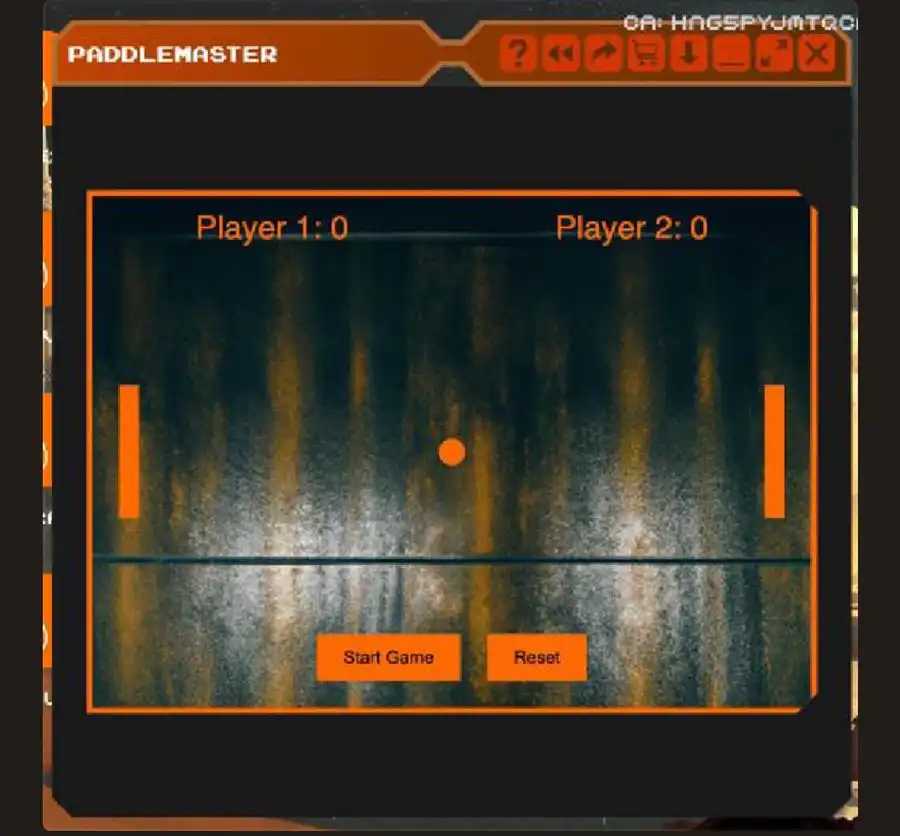
The platform supports third-party APIs and personal API keys, allowing users to flexibly extend functionality and perform personalized operations.
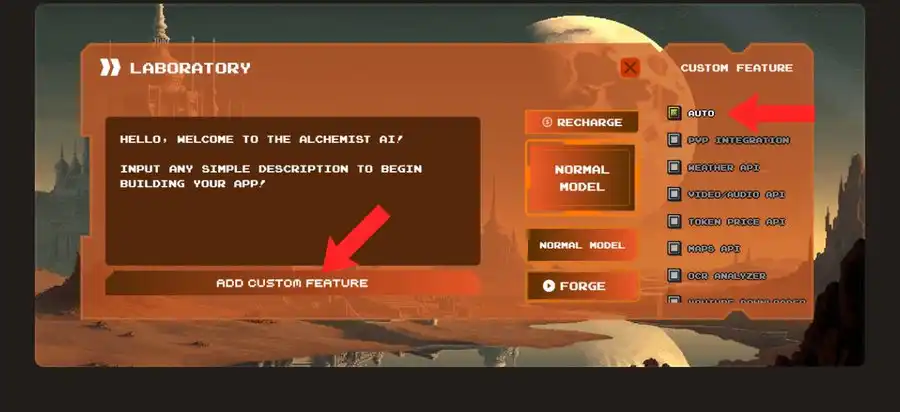
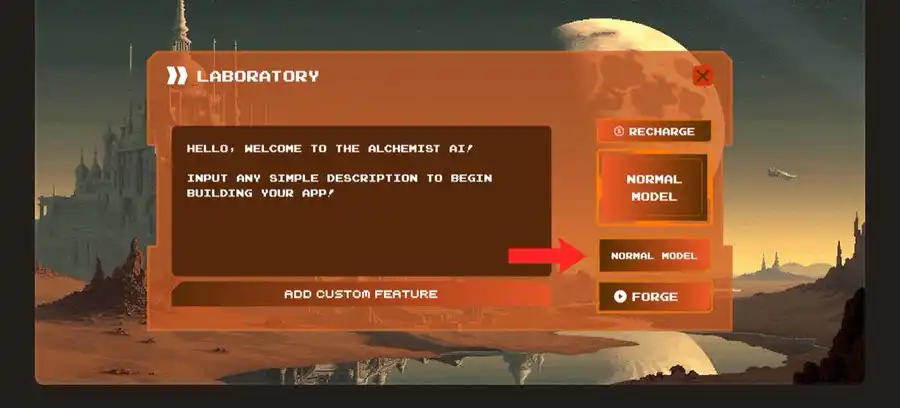
The unique "AI within AI" architecture enables the system to have stronger learning and adaptation capabilities, while multiplayer game and multilingual support allow global users to enjoy interactive and entertaining experiences. The Advanced Mode offers professional-level custom services, the folder system facilitates file organization and management for users, and the Forge version rollback feature ensures that the ideal version can be restored in any situation. All these features together constitute a flexible, efficient, and deep innovative platform.
Alchemist AI offers various powerful features, including support for personal API keys, where users can access advanced services by adding their private API keys to create custom applications. Users can also leverage the AI within AI functionality to create applications with integrated AI tools that provide dynamic AI-driven capabilities.
Furthermore, the platform supports a multi-tool environment, allowing hosting multiple AI tools in one application to meet various needs, and provides a custom AI assistant feature that enables users to train their own assistants. For multiplayer game development, Alchemist AI streamlines player connections, real-time synchronization, and cross-device support to ensure a seamless gaming experience. Finally, the Advanced Mode offers subscribers faster processing speeds, exclusive features, and additional resources to help users turn complex creative projects into reality.
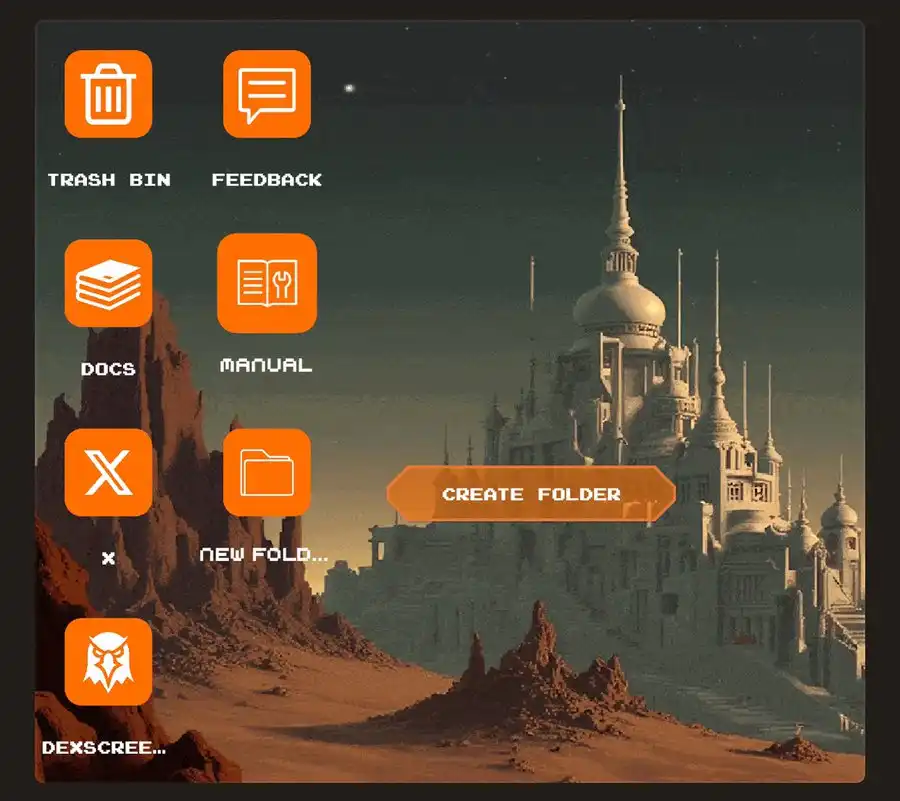
Through the folder system, users can easily organize applications for efficient management and navigation, ensuring projects are well-structured; simply right-click on the main screen to create a folder.
Network Effects
We will delve into the importance of 'network effects' and its core role in shaping the trajectory of ALCH (alchemistAIapp) in the future.
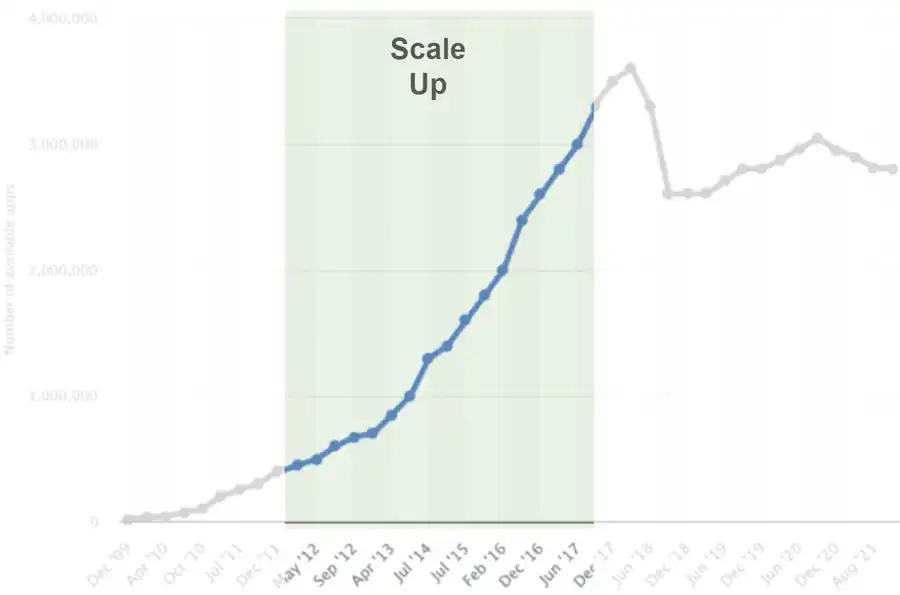
The network effect plays a crucial role in the success of digital marketplaces. The Google Play Store is a prime example of this phenomenon, and understanding this is also helpful in contrasting Alch with its pseudo peers (e.g., virtuals io).
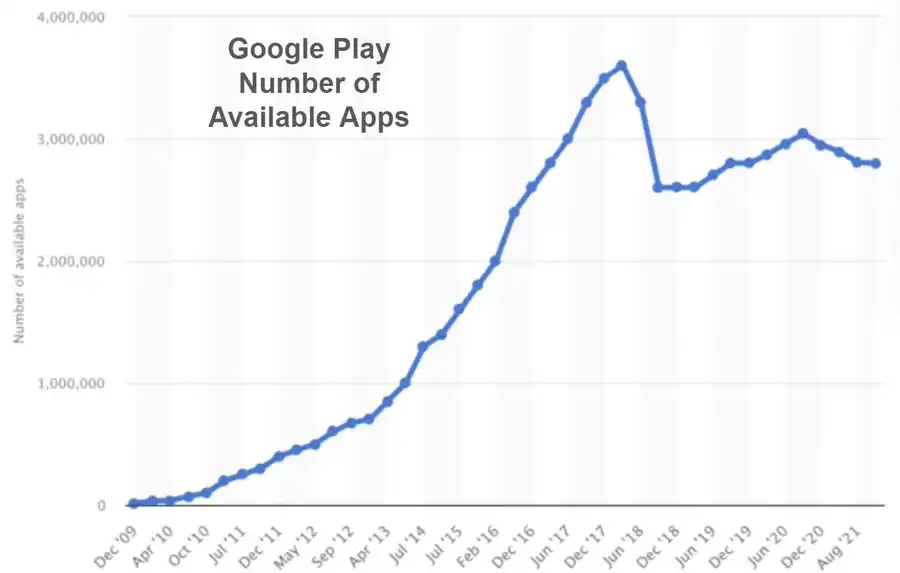
The network effect occurs when the value of a product or service increases as more people use it, creating a self-reinforcing cycle of growth and adoption.
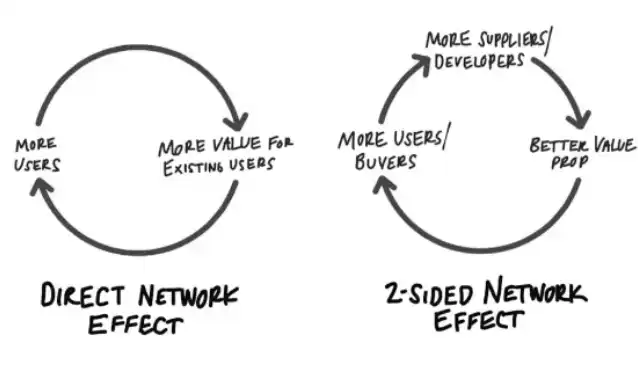
For digital marketplaces like alchemistAIapp, we can observe a "two-sided network effect," where attracting developers → drives more apps → attracts more users → attracts more developers, and so on.
What sets ALCH apart is that its users are also "developers" since it provides a no-code environment. This makes it both a one-sided marketplace and a two-sided marketplace! Therefore, ALCH can also benefit from the one-sided network effect of social networks.
In other words, ALCH combines the characteristics of a social network and an app store—and has low-friction app development capabilities. Let's pause for a moment and consider its potential.
However, I also want to point out clearly that this advantage may eventually become ALCH's Achilles' heel. Since apps developed by ordinary users usually have lower utility, the market may ultimately be flooded with mediocre, limited-utility apps, leading to a "long tail effect."
We need to remember that the early stages of market development are crucial, and the emergence of "killer apps" is essential to kickstarting the network effect. This stage can be understood as the "market formation" phase.
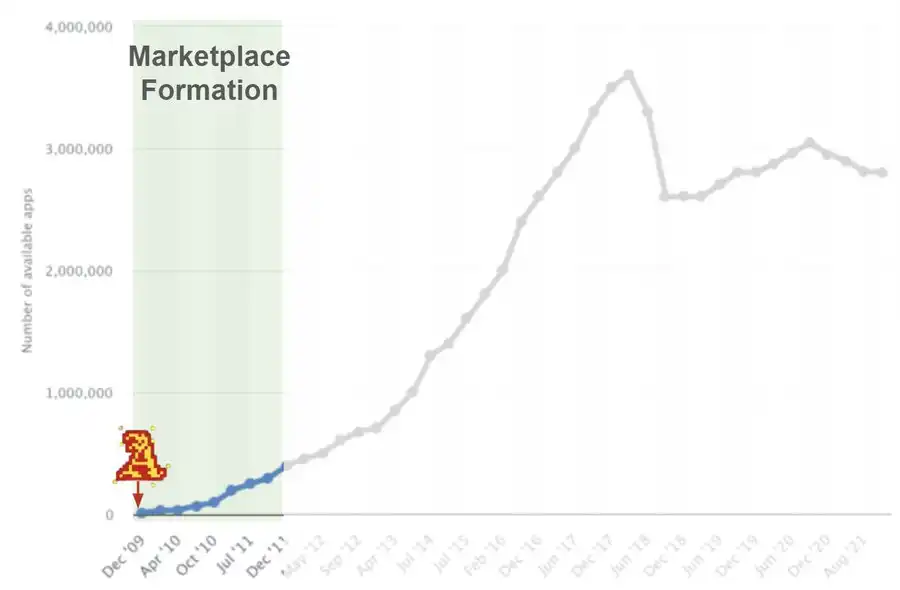
At this stage, what is most important is the emergence of virally spreadable apps as standout applications—those that act as catalysts for user adoption. Google Play went through this process, with early hit apps like "Angry Birds" helping ignite its expansion phase.
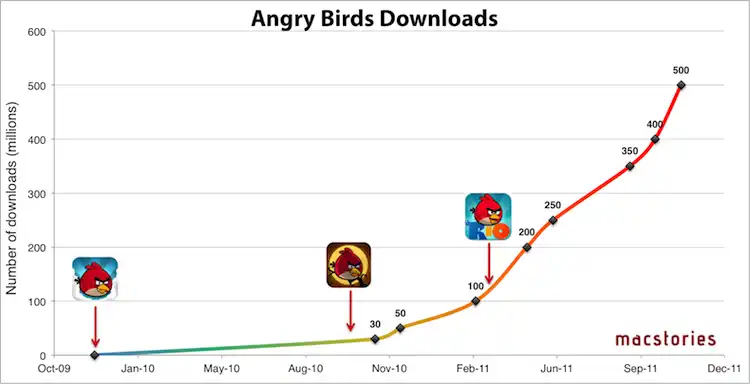
Returning to the topic of alchemistAIapp: a core strategic task will be to accelerate the development of catalytic "killer apps"—the future ALCH version of "Angry Birds"—to kickstart its expansion phase.
For comparison, AIXBT is emerging on virtualsio, becoming a potential "killer app" — and is starting to engage the critical flywheel of attracting users and activating a developer ecosystem.
Notably, the addressable market size of ALCH from alchemistAIapp is much larger than that of virtualsio, potentially reaching billions of users, although the current addressable market is primarily focused on crypto-native users. Its potential is significant.
Once ALCH releases its first wave of killer apps, the expansion phase may focus on aggressive marketing strategies, refining incentive mechanisms, introducing new revenue models, expanding distribution channels, and onboarding power developers onto the platform.
Sources: https://x.com/crypto_ace3/status/1874560245437182333
https://x.com/jungAIalch/status/1872778191728959583
You may also like

Tiger Research: What AI services do cryptocurrency companies offer?

The war not only drives up oil prices but also causes Circle's stock price to soar

When agents become consumers, who will rewrite the underlying logic of internet commerce?

AI Agents in Action Summit: March 31, Hong Kong Cyberport, focusing on the deep waters of AI implementation

29 Days In, What Are America’s Options on Iran?

Flash Crash Down 97%+ with Ongoing Unlocking, WLD Completes $65 Million Off-chain Funding: Who Is Still Buying?

Bitcoin for Real Estate? Fannie Mae Teams Up with Coinbase to Launch Crypto Mortgage
Tether Hires Big Four Auditor, USDT Enters First Attestation Phase

Google AI Paper Destroys $900B Storage Stock, Accused of Faking Experiment
Evaporate $2 Trillion, U.S. Stocks See Worst Start in 4 Years, Why is the Market Bearish?

The speed at which AI discovers vulnerabilities has surpassed the speed at which it patches vulnerabilities.
AI Crypto Trading Bot Explained: Aurora's Multi-Factor Strategy in WEEX Hackathon
Aurora demonstrates how structured, multi-agent AI Trading systems can deliver more adaptive and resilient performance in the WEEX AI Trading Hackathon.

Cyber Taoist Fortune Teller: Fake Taoist, AI Fortune Telling, and Northeastern Metaphysics History

Bloomberg: Stablecoin Payments Emerge as Crypto VC's Newest Favorite Thing
BeatSwap is evolving towards a full-stack Web3 infrastructure, covering the entire lifecycle of IP rights.
BeatSwap, a global Web3 Intellectual Property (IP) infrastructure project, is attempting to overcome the current fragmentation limitations of the Web3 ecosystem, building a full-stack system that covers the entire lifecycle of IP rights.
Currently, most Web3 projects are still in the stage of functional fragmentation, often focusing only on a single aspect, such as IP asset tokenization, transaction functionality, or a simple incentive model. This structural dispersion has become a key bottleneck hindering the industry's scale application.
BeatSwap's approach is more integrated, integrating multiple core modules into the same system, including:
· IP authentication and on-chain registration
· Authorization-based revenue sharing mechanism
· User-engagement-driven incentive system
· Transaction and liquidity infrastructure
Through the above integration, the platform builds an end-to-end closed-loop path, allowing IP rights to complete a full cycle of "creation, use, and monetization" within the same ecosystem.
BeatSwap is not limited to existing crypto users but is attempting to take the global music industry as a starting point, actively creating new market demand. Its core strategies include:
Exploring and incubating music creators (Artist discovery)
Building a fan community
Igniting IP-centric content consumption demand
The current global music industry is valued at around $260 billion, with over 2 billion digital music users. This means that the potential market corresponding to the tokenization and financialization of IP far exceeds the traditional crypto user base.
In this context, BeatSwap positions itself at the intersection of "real-world content demand" and "on-chain infrastructure," attempting to bridge the structural gap between content production and financial flow.
BeatSwap's upcoming core product "Space" is scheduled to launch in the second quarter of 2026. This product is defined as the SocialFi layer in the ecosystem, aiming to directly connect creators with users and achieve deep integration with other platform modules.
Key designs include:
A fan-centric interactive mechanism
Exposure and distribution logic based on $BTX staking
User paths connected to DeFi and liquidity structures
Thus, a complete user behavior loop is formed within the platform: Discovery → Participation → Consumption → Rewards → Trading
$BTX is designed to be a core utility asset within the ecosystem, rather than just a simple incentive token, with its value directly tied to platform activity and IP use cases.
Main features include:
· Yield distribution based on on-chain authorized actions
· Value reflection based on IP usage and user engagement dynamics
· Support for staking and DeFi participation mechanisms
· Value growth driven by ecosystem expansion
With the increased frequency of IP use, the utility and value support of $BTX will enhance simultaneously, helping alleviate the "disconnect between value and utility" issue present in traditional Web3 token models to some extent.
Currently, $BTX has been listed on several mainstream exchanges, including:
Binance Alpha
Gate
MEXC
OKX Boost
As the launch of "Space" approaches, BeatSwap is actively pursuing more exchange listings to further enhance liquidity and global accessibility, laying a foundation for future market expansion.
BeatSwap's goal is no longer limited to the traditional Web3 narrative but aims to target over 2 billion digital music users and a trillion KRW-scale content market.
By integrating content creators, users, capital, and liquidity into a blockchain framework centered around IP rights, BeatSwap is striving to build a next-generation infrastructure focused on "IP tokenization."
BeatSwap integrates IP authentication, authorization distribution, incentive mechanism, transaction system, and market construction to establish a unified structure that bridges the full lifecycle path of IP rights.
With the launch of the Q2 2026 "Space," the project is expected to become a key infrastructure connecting content and finance in the IP-RWA (Real World Assets) track.

Mag 7 Evaporates $2 Trillion | Rewire News Morning Edition

Losing $19K per Coin Mined, Bitcoin Mining Firms Collective AI Defection



 App
App